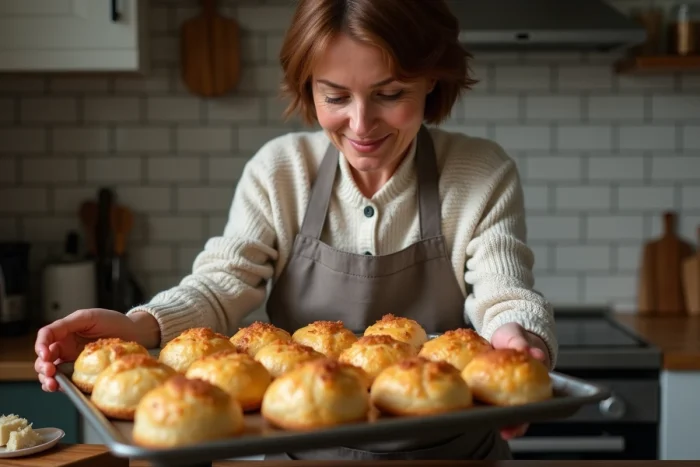
A uniform cooking of frozen bouchées à la reine often escapes the printed instructions on the packaging. The filling risks making the pastry soggy, while a too-quick stint in the oven can leave the inside cold despite a golden crust.
Some adjust the cooking time or prefer a partial thawing, while others add a bit of water to the dish to maintain moisture. The variations are numerous, each method aiming to preserve the flaky texture while warming the filling through.
Why frozen bouchées à la reine deserve your full attention
The bouchée à la reine is not just a relic of great French cuisine: it bears the mark of a craftsmanship passed down since the 18th century, when a pastry chef named Nicolas Stohrer created the recipe for Marie Leszczyńska, wife of Louis XV. Initially a symbol of royal banquets, it gradually found its place on grand family tables, particularly in Alsace, where the tradition endures. The golden puff pastry then cradles a generous and creamy filling, blending poultry, sweetbreads, mushrooms, sometimes enhanced with truffle or rooster comb.
But behind this refinement lies a technical requirement. The challenge arises at the moment of cooking frozen bouchées à la reine. This step, too often overlooked, determines the balance between the crispiness of the shell and the enveloping softness of the sauce. In Alsace, festive meals allow for no approximation: the bouchée, whether served at the start of the meal or as a main dish, is accompanied by fresh noodles or spätzle, in a tradition that spans generations.
The bouchées reine recipe has evolved over time. Once reserved for wealthy palates, it has become more accessible: today it includes poultry, ham, mushrooms, and a hint of nutmeg. Yet, each bouchée retains that extra soul, that aroma of sharing that makes French cuisine resonate. Prepared in advance, purchased from an artisan or in a supermarket, it graces large gatherings, from Christmas to Sunday lunches. The cooking of frozen bouchées à la reine then becomes the revealing factor of all the subtlety of this specialty, where rigor and pleasure unite.
How to achieve perfect cooking without losing crispiness or indulgence
Getting frozen bouchées à la reine crispy on the outside and tender on the inside requires a bit of method. To preserve the texture of the pastry while warming the filling through, the traditional oven remains the best option.
Start by preheating the oven to 160-180°C. Place the still-frozen puff pastry shells on a baking sheet lined with parchment paper, without filling them. Allow ten to fifteen minutes to achieve a golden, well-dried shell. Meanwhile, gently reheat the filling in a saucepan. Low heat is essential: whether it’s a financial sauce, supreme, or béchamel, overheating would ruin texture and flavor. Stir regularly to maintain the delicacy of the pieces of poultry, sweetbreads, or mushrooms.
Assemble just before serving. Hot shells, well-coated filling, the contrast works wonderfully. This technique, widely tested in Alsace, offers a bouchée with impeccable texture and balanced flavors. For those short on time, the microwave can help in emergencies, but it tends to soften the pastry. As for the air fryer, it quickly heats the crust, provided you keep an eye on it to prevent it from drying out.
To maximize your chances of success, keep these simple rules in mind:
- Cook the pastry and filling separately.
- Do not let the shells fully thaw before cooking: move them from the freezer to the oven.
- Stay vigilant about the temperature: above 180°C, the pastry hardens too quickly.
Ideas to personalize, present, and share your bouchées à la reine like a chef
Nothing forbids shaking up tradition. Bouchées à la reine can handle almost any variation. The classic version combines poultry, sweetbreads, and ham; why not try a seafood filling? Shrimp, scallops, mussels, mixed with a light sauce, offer a refreshing alternative. Vegetarians will appreciate a filling made from tofu, spinach, zucchini, or sautéed peppers. Bacon bits add a smoky touch to the whole.
Presentation and accompaniments
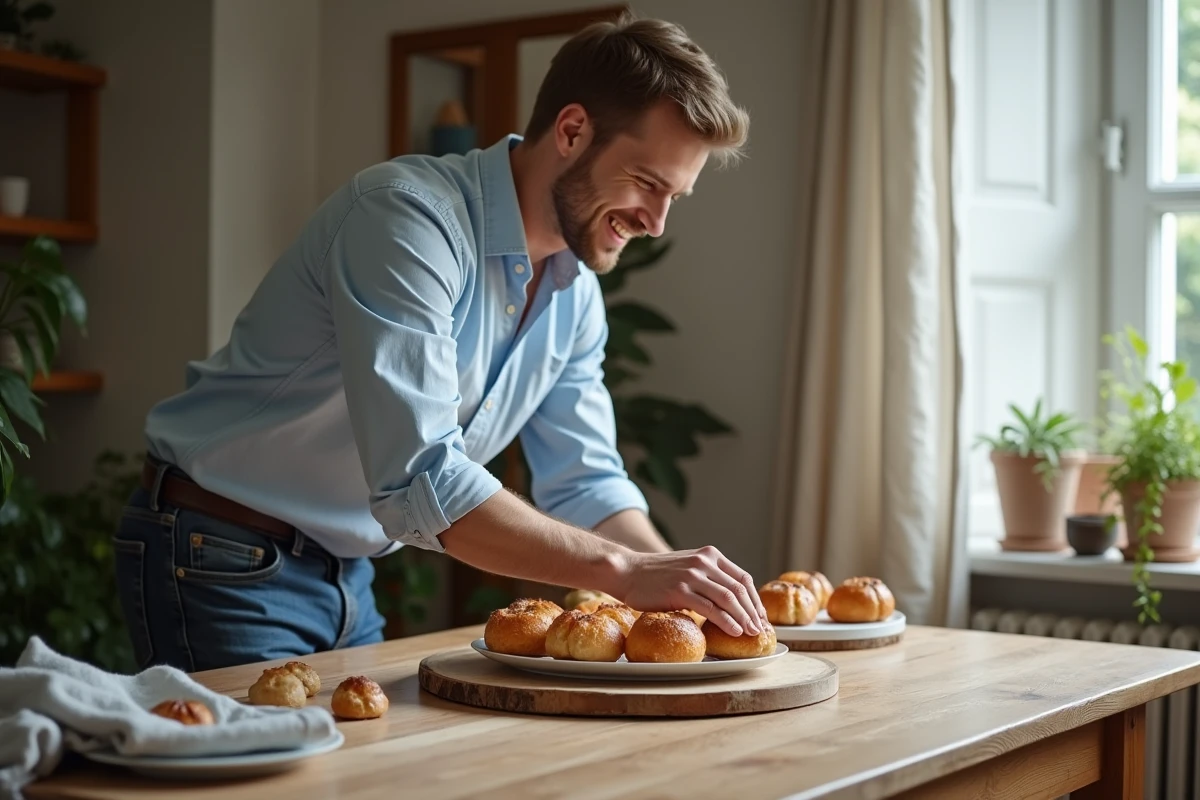
Pay attention to the presentation to highlight the dish: arrange the filled bouchées on preheated plates, drizzle with a bit of sauce, and sprinkle with flat-leaf parsley or chopped chives. This contrast of colors stimulates the appetite. As for accompaniments, the Alsatian tradition suggests fresh noodles or spätzle, but there’s nothing stopping you from serving pilaf rice or a crunchy salad to lighten the meal.
When it comes to wine selection, an Alsatian Riesling, a Pinot Blanc, or a Pinot Gris work wonders: their freshness enlivens the sauce. For a more marine or salmony version, a Chardonnay brings a welcome roundness.
Share these bouchées during a family or friends meal, in individual portions or on a large platter, allowing everyone to serve themselves at their own pace. This gesture extends the spirit of conviviality that is the strength of French gastronomy and leaves everyone with the memory of a generous and authentic moment.